Aloha SVG Review: A Versatile Design for Summer Embroidery Projects
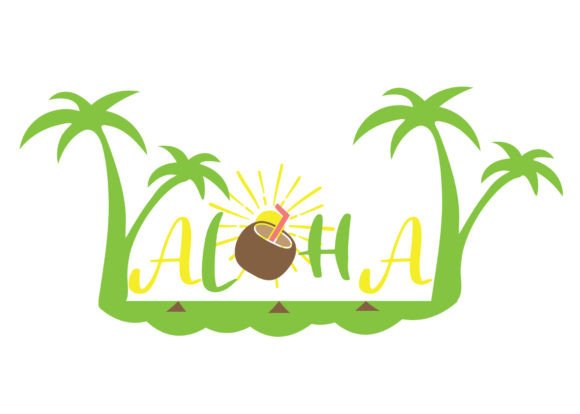
As a designer who spends more time at the hoop than away from it, I am always skeptical of files that promise versatility without showing the structural integrity to back it up. When I first opened the Aloha SVG, my initial reaction was one of cautious optimism. In the world of Crafts and digital Graphics, "Aloha" can often mean generic palm trees and cliché fonts. However, this specific asset stands out because of its construction. The fact that it is built with 100 vector shapes immediately tells me that this isn't just a flat image; it is a modular system ready for adaptation.
First Impressions and Visual Personality
The mood of this design is undeniably breezy and welcoming, but what matters most to me is the layout. The separation of elements suggests a thoughtful approach to layering. For an embroidery project, clean lines and distinct shapes are crucial. If a design is too muddy, it turns into a thread nightmare. With Aloha SVG, the vector nature allows me to visualize how these shapes would translate into satin stitch borders or fill stitch bodies. The visual personality feels modern yet timeless, making it suitable not just for a tourist shop, but for boutique branding where quality matters.
I immediately thought about how this would look on a tote bag design. The open spaces within the vectors suggest that if I were to digitize this for machine use, I could play with negative space effectively. It creates a balance between density and breathability, which is essential for maintaining the drape of the fabric.
Real-World Application: The Summer Tote Scenario
To truly test the viability of any digital embroidery file, I run a mental simulation of a real client order. Let's say a local beach café wants custom merchandise for their summer staff. They need something durable, washable, and visually striking on both light and dark uniforms. This is where the Aloha SVG shines. Because the description highlights that color changes are easy for dark or white t-shirts, I know I have flexibility.
In this scenario, I would likely pair this graphic with a heavy canvas tote. The 100 vector shapes allow me to isolate specific elements—perhaps just the text or a single icon—to create a smaller, subtle mark on the pocket of an apron, while using the full composition for the back of a sweatshirt embroidery piece. The scalability means I don't lose resolution when blowing it up for a large poster or shrinking it for a sticker. For an Etsy seller, this adaptability is gold; one purchase yields multiple product listings.
Stitching Clarity and Fabric Considerations
While the vector source file is robust, translating Aloha SVG into a machine embroidery design requires careful planning regarding stitch density. If you are converting this yourself or sending it to a digitizer, pay close attention to the small details. On textured fabrics like linen or waffle weave, fine lines can get lost. I recommend testing the design on scrap fabric first, specifically looking at how the corners hold up.
For baby embroidery projects, such as a nursery wall hanging or a onesie, the softness of the final product is paramount. High-density stitching can make a garment stiff and uncomfortable. Since this graphic is made of distinct shapes, there is an opportunity to use lighter fill patterns or even consider it as an applique design base. By cutting the shapes from fabric and stitching them down, you reduce the thread bulk significantly, making it perfect for sensitive skin while keeping the vibrant thread colors intact.
However, caution is needed with curved surfaces like caps. The geometry of the design must be adjusted to account for the curvature of the hat brim. If the original vectors are too wide, they might distort when stitched on a structured cap. Always check the aspect ratio before committing to a hoop size that pushes the limits of your machine's field.
Commercial Viability and Brand Consistency
For those running a craft business, consistency is key to building trust. Using a high-quality base like Aloha SVG ensures that your finished product looks professional whether it's printed on a mug or stitched onto a pillow cover. The clean lines contribute to a polished look that customers associate with higher value. A sloppy design can undermine a brand, but a crisp, well-proportioned graphic enhances perceived quality.
This asset is particularly useful for creating cohesive collections. Imagine a summer line that includes tea towels, throw pillows, and apparel all featuring variations of this same theme. The ability to recolor easily means you can match specific Pantone shades for corporate clients or seasonal trends for holiday gifts. It serves as a reliable anchor for your design assets, allowing you to scale production without sacrificing aesthetic integrity.
Practical Notes for the Maker
Before diving into production, here are a few technical reminders based on my experience with similar vector-based graphics:
- Stabilizer Selection: Always match your stabilizer to the fabric weight. For stretchy knits used in t-shirts, a cut-away stabilizer is non-negotiable to prevent distortion over time.
- Contrast Testing: Even though the file allows for easy color changes, view your mockups in black and white first. This ensures the design holds its form without relying solely on color contrast.
- Licensing Verification: While the file is ready for various applications like posters and mugs, always confirm the specific licensing terms regarding commercial resale of the digital file itself versus the physical handmade product.
- Small Details: Inspect tiny lettering or thin connecting lines. If a section is too narrow for your needle size, simplify that vector shape before digitizing to avoid thread breaks.
Final Verdict on Aloha SVG
In the crowded marketplace of Graphics for Crafts, finding a file that balances artistic flair with technical practicality is rare. Aloha SVG manages to do both. It offers the creative freedom needed for personalized gifts and the structural soundness required for commercial embroidery projects. Whether you are decorating a kitchen towel for a housewarming or producing a run of branded apparel for a small shop product line, this design provides a solid foundation.
Ultimately, the value of a design lies in how it performs after the needle stops moving. With proper digitization and material selection, Aloha SVG has the potential to become a staple in your library, delivering results that please both the maker and the end customer. It is a reminder that good design is not just about how it looks on the screen, but how it lives on the fabric.