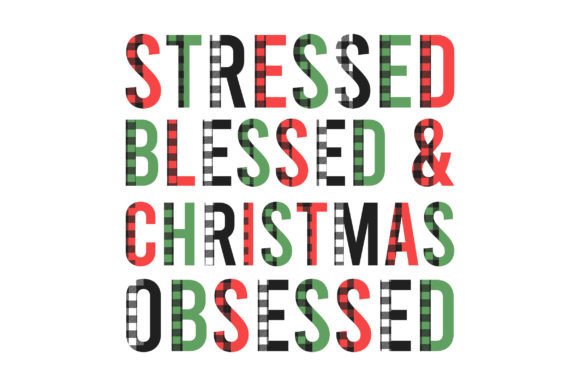
Merry Christmas SVG Sublimation: A Designer's Review
When I first pulled up the Merry Christmas SVG Sublimation file on my screen, my immediate reaction wasn't just about the holiday spirit; it was about structural integrity. As someone who spends hours digitizing and stitching for clients, I look at graphics differently than the average crafter. I don't just see a pretty picture; I see potential stitch paths, density issues, and how a design will behave when pulled by thousands of needles on textured fabric. This review breaks down how this specific asset translates from a digital Graphics file into a tangible, high-quality machine embroidery design for real-world projects.
First Impressions and Visual Personality
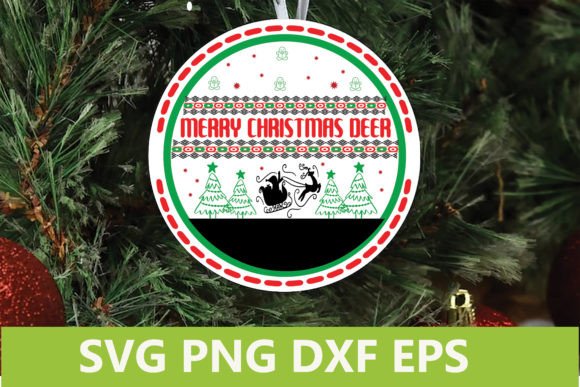
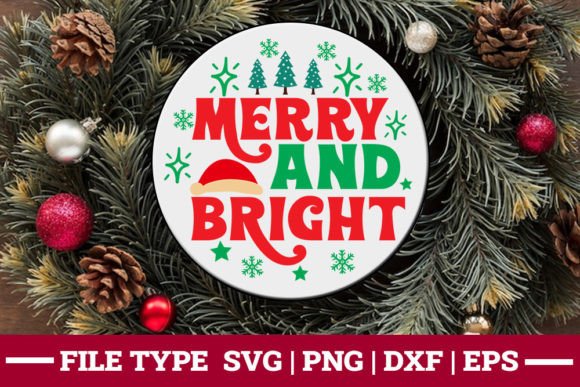
The mood of this design is undeniably festive but clean. In the world of Crafts, we often see holiday files that are overly cluttered with too many elements fighting for attention. This file, however, offers a balanced layout. The description notes it is made with 100 vector shapes, which is a promising sign for scalability. For an embroiderer, "scalable" means I can resize the artwork to fit a tiny pocket on a child's onesie or a large back panel on a adult sweatshirt without losing the definition of the lines.
The visual personality feels modern yet traditional enough to appeal to a broad customer base. Whether you are an Etsy seller looking to expand your holiday catalog or a hobbyist making gifts for family, the aesthetic fits well within current trends. It avoids the dated, clip-art look that can cheapen a handmade product. Instead, it presents a professional silhouette that suggests quality before a single thread is even threaded through the needle.
Real-World Application: The Holiday Tote Scenario
To truly test the viability of Merry Christmas SVG Sublimation, I imagined a specific client request: a set of custom reusable tote bags for a local boutique's holiday promotion. This is a common commercial embroidery job where durability and visual impact are paramount. Tote bags are typically made of canvas or heavy cotton, which have a distinct fabric texture that can swallow fine details if the design isn't robust.
In this scenario, the design's clear shapes work in our favor. Because the file allows for easy color changes, I could match the boutique's brand colors exactly, swapping out standard reds and greens for their specific palette. When translating this graphic into an embroidery file, the solid areas would likely translate beautifully into fill stitch patterns, providing good coverage over the weave of the canvas. The result would be a finished product that looks intentional and high-value, rather than a sloppy afterthought.
Beyond totes, this design shines on sweatshirt embroidery. The soft fleece of a holiday pullover requires a design that doesn't get lost in the nap of the fabric. The bold lines inherent in this SVG would stand out clearly, making it an excellent choice for custom apparel intended for family photos or corporate holiday parties.
Technical Considerations for Stitching
While the source file is a vector graphic intended for sublimation, using it as a base for embroidery requires careful planning. You cannot simply import an SVG into your machine and expect perfection; it must be digitized or converted properly. Here is where practical judgment comes into play.
- Stitch Density: When converting those 100 vector shapes into stitches, pay close attention to stitch density. If the areas are too dense, the fabric will pucker, especially on stretchy materials like t-shirts. If too light, the backing will show through.
- Small Details: Inspect the smallest corners of the design. Tiny, sharp points in a vector file can become nightmares for a needle, causing thread breaks or bird nests. You may need to simplify these areas or use a running stitch outline instead of a complex fill.
- Hoop Size: Confirm your hoop size before starting. While the design is resizable, ensure your chosen hoop accommodates the stabilizer needed for the specific garment. A cap or a curved surface requires a different approach than a flat pillow cover.
- Thread Colors: Test your thread colors against the fabric. A design that pops on white might vanish on navy blue. Creating black and white mockups can help you judge contrast before committing to thread.
Navigating Tricky Fabrics and Surfaces
Not every project is a flat piece of cotton. If you plan to use this design on a curved surface like a cap, be wary of distortion. The geometry of the design might warp when stitched over the front panel of a hat. Similarly, on thin fabric or highly textured items like towels, the stability of the design is crucial. Using the correct stabilizer is non-negotiable here. For a baby embroidery project, such as a onesie, you must ensure the back of the stitching is soft and not scratchy, which might require a specific type of backing or a different stitch technique like applique design methods to reduce bulk.
For items that need frequent washing, like kitchen towels or aprons, the integrity of the satin stitch borders (if used) must be tight. Loose stitching will fray after the first wash, ruining the personalized gift appeal. Always test the design on scrap fabric of the same weight and texture as your final project. This simple step saves time, money, and reputation.
Business Value and Customer Perception
For small shop product creators and creative entrepreneurs, the choice of design assets directly impacts brand consistency. Using a high-quality base like Merry Christmas SVG Sublimation elevates the perceived value of your inventory. Customers can tell the difference between a generic, pixelated image and a crisp, well-executed design. This attention to detail builds customer trust and encourages repeat business.
Furthermore, the versatility of this file supports various revenue streams. It works for physical goods like embroidered patches and pillow covers, but also serves as a strong visual for printable mockups used in online listings. A great mockup sells the dream of the holiday embroidery before the item is even made. However, always remember to check the licensing terms. Just because a file is easy to edit doesn't automatically grant commercial rights for resale as a digital product or finished good. Clarify these terms to protect your craft business.
Final Verdict for Makers
In conclusion, Merry Christmas SVG Sublimation is a solid contender for your holiday toolkit. Its strength lies in its clean vector foundation, which offers flexibility for various embroidery projects. Whether you are decorating a nursery decor item, creating wedding gifts with a seasonal twist, or stocking up for a craft fair, this design provides a reliable starting point.
Remember, the file is just the beginning. The magic happens in the execution. By respecting the limitations of your machine, choosing the right materials, and applying sound digitizing principles, you can turn this digital asset into a standout finished product. Take the time to prep, test, and refine, and you will find that this design holds up well under the pressure of real-world production.