Review: Boo Pumpkin Halloween SVG Sublimation for Embroidery
As a designer who spends more time staring at stitch maps than most people care to admit, I approach every new digital embroidery file with a mix of excitement and skepticism. When I first pulled up the Boo Pumpkin Halloween SVG Sublimation design on my screen, my immediate reaction wasn't just about the cute factor; it was about feasibility. We have all been there: you buy a graphic that looks perfect in the preview, only to realize halfway through stitching that the details are too tight or the shapes don't translate well to thread. This review breaks down how this specific asset holds up when moving from a vector graphic to a tangible, stitched reality.
First Impressions: Shape, Mood, and Stitch Potential
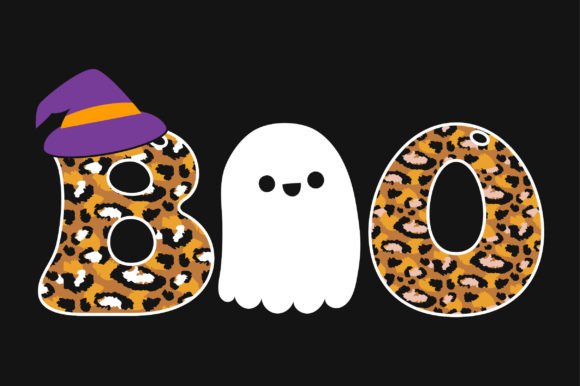
The initial visual personality of the Boo Pumpkin Halloween SVG Sublimation is undeniably charming. It captures that playful, slightly spooky vibe essential for October without leaning too hard into the gore. The "leopard" element mentioned in the description adds a trendy, modern twist to the classic pumpkin silhouette, which immediately sets it apart from the thousands of generic jack-o'-lanterns flooding the market. From a layout perspective, the shapes appear clean and well-defined. For an embroidery project, this is crucial. Clean lines in a vector usually mean smoother satin stitches and fewer jumps in the final machine code.
However, since this is marketed primarily as a sublimation and vector graphic (AI, EPS, SVG, PNG), my first thought as an embroiderer was: How will this convert? The description notes it is made with 100 vector shapes and allows for easy color changes. This is a green flag. It means if I decide to digitize this myself or hire a digitizer to turn it into a machine embroidery design, the source material is robust. The distinct separation of the leopard print spots and the pumpkin outline suggests that we can achieve good definition using a combination of satin stitch for the outlines and a textured fill stitch for the body, rather than trying to force a complex print into a dense block of thread.
Real-World Application: The Boutique Sweatshirt Scenario
To truly test the viability of this design, I imagined a real-life scenario that many of us face this time of year: a rush order for a local boutique needing custom holiday embroidery on heavyweight cotton sweatshirts. The client wanted something unique for their fall collection, not the standard "Trick or Treat" text. The Boo Pumpkin Halloween SVG Sublimation fits this brief perfectly because of its graphical nature.
In this context, the design would likely work best as an appliqué or a hybrid stitch. Imagine cutting the pumpkin shape from a leopard-print felt or fabric, securing it with a running stitch tack-down, and then finishing the edges with a wide satin stitch. This approach respects the original "sublimation" aesthetic while adding the tactile value of embroidery. On a sweatshirt, the texture of the fabric complements the bold shapes of the pumpkin. Customers browsing an Etsy seller's shop or walking into a small retail store are drawn to items that feel handmade. A flat print is nice, but a stitched version of this design elevates the perceived value of the finished product significantly.
Alternatively, for a tote bag design, this graphic could be scaled down and used as a chest pocket accent or a large back panel feature. The simplicity of the "Boo" lettering combined with the pumpkin shape ensures readability even from a distance, which is vital for wearable items. If you are running a craft business, offering this as a personalized option—perhaps adding a name in a complementary font below the pumpkin—could be a strong revenue driver for the season.
Navigating Fabric Textures and Hoop Limitations
While the design is versatile, practical judgment dictates we must consider where it might struggle. If you are planning to use this on a cap or a curved surface, caution is advised. The leopard print details, if digitized too densely, could cause puckering on the structured front of a hat. Similarly, if you attempt to stitch this on a thin, stretchy fabric like a baby onesie for baby embroidery projects, the stitch density becomes a critical factor. Without proper stabilization, the weight of the thread could distort the garment after the first wash.
For those working with dark fabrics, the contrast is your friend, but you must verify your thread colors. The orange of the pumpkin needs to pop against black or navy, and the leopard spots need to be distinct enough not to blend into a muddy brown. I always recommend testing the design on scrap fabric first. Create a mockup in black and white to check the clarity of the shapes before committing to expensive metallic or variegated threads. If the design includes tiny corners or sharp points, ensure your digitizing software (or the pre-made file, if available) has enough pull compensation to prevent those points from rounding off.
Technical Considerations for Commercial Use
Before listing this as a small shop product or including it in a line of commercial embroidery goods, there are housekeeping tasks to address. Since the source files are AI, EPS, SVG, and PNG, you are technically working with graphics that need conversion unless you are doing a print-and-stitch hybrid. If you are selling the stitched item, ensure your license covers commercial use of the derivative work. If you are selling the digitized file itself, you must create the embroidery code from scratch based on these vectors; you cannot simply resell the SVG as an embroidery file without significant value addition.
Pay attention to the hoop size required. While the design looks scalable, shrinking it too much for a personalized gift like a key fob or a small patch might lose the intricacy of the leopard pattern. Conversely, blowing it up for a blanket might require re-digitizing to manage long stitch runs that could snag. Always check whether the design works for both personal joy and commercial profit by reviewing the specific licensing terms provided by the creator.
Final Verdict on Visual Appeal and Brand Consistency
The Boo Pumpkin Halloween SVG Sublimation offers a solid foundation for creative entrepreneurs looking to refresh their autumn inventory. Its strength lies in its adaptability; it bridges the gap between digital trends (like sublimation and leopard prints) and traditional craftsmanship. When executed with care regarding stabilizer choice and thread tension, it can produce a high-quality embroidered patch or apparel decoration that resonates with buyers.
Ultimately, the success of this design in your embroidery project depends on how well you translate its vector precision into thread. It rewards the designer who pays attention to detail, chooses the right fabric texture, and understands the limitations of their machine. For the handmade product enthusiast, it provides a fresh take on a seasonal staple, ensuring that your custom apparel stands out in a crowded marketplace. Just remember: test first, stitch second, and let the quality of your finish do the talking.