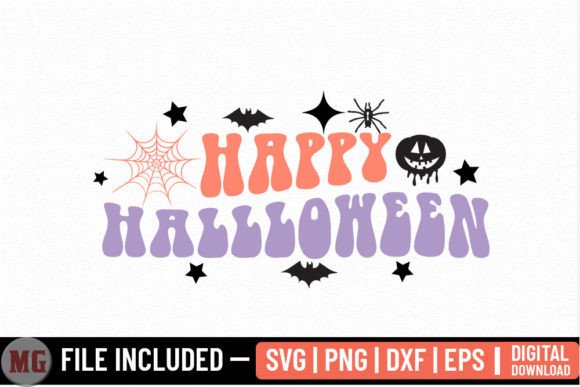
Reviewing the Happy Halloween SVG for Embroidery
As a designer who spends more time staring at stitch simulations than I do sleeping, I approach every new digital embroidery file with a healthy dose of skepticism. We have all been there: you download a cute graphic, load it into your software, and realize the nodes are a mess, or the details are so fine they will vanish under a needle. That is why I took a close look at the Happy Halloween - Halloween SVG before committing it to any real-world embroidery project. This isn't just about whether it looks good on a screen; it is about how it behaves when thread hits fabric.
First Impressions and Visual Personality
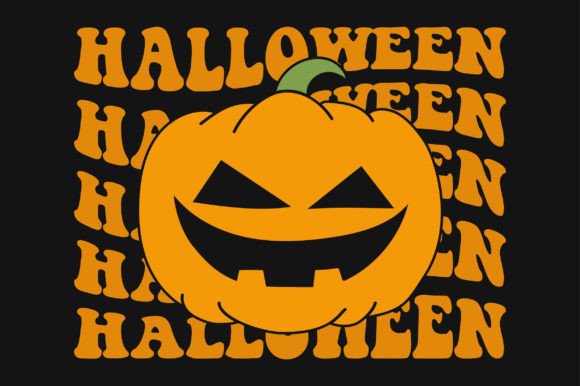
The first thing that strikes me about this design is its versatility within the Crafts and Graphics space. It carries a playful yet classic Halloween mood. It does not rely on overly complex shading or gradients, which is a relief for us machine embroiderers. Complex gradients often translate poorly into thread unless you are doing high-end photo stitching, which is time-consuming and expensive. Instead, this design relies on strong shapes and clear lines. This visual personality suggests it was built with vector precision, which is crucial when converting from an SVG format or EPS format into a stitch file.
The layout feels balanced. For a seasonal piece, it avoids the clutter that plagues so many holiday designs. When I imagine this as a machine embroidery design, I see clean pathways for the needle. The lack of excessive micro-detail means less chance of thread breaks and bird nests, especially if you are running multiple units for a craft business.
Real-World Application: The Custom Tote Bag Test
To truly evaluate the Happy Halloween - Halloween SVG, I mentally placed it on a standard canvas tote bag. This is a staple item for any Etsy seller or small shop product line during October. Canvas has a distinct weave, and a design needs enough weight to stand out against that texture. Because this graphic likely features bold elements, it should perform well here. If the design includes text, the spacing between letters is critical. In my experience, tight kerning in a digital file can lead to merged stitches on fabric. I would recommend checking the spacing in your digitizing software before hooping.
Beyond totes, consider sweatshirt embroidery. A fleece or cotton blend hoodie is a popular personalized gift option. The softness of the fabric requires a design that doesn't feel stiff or board-like. If this SVG is converted using appropriate fill stitch patterns rather than dense satin columns, it will drape nicely. However, if the design has large solid black areas, you must be mindful of stitch density. Too dense, and the fabric puckers; too light, and the backing shows through. This is where having the DXF format and PNG format included in the zip file becomes useful for previewing scale and opacity before you even touch your digitizing software.
Navigating Fabric and Hoop Constraints
Not every surface is forgiving. If you are planning to use this on custom apparel like a thin t-shirt, you need to be careful. Thin fabrics require stable support. I always advise using a cut-away stabilizer for garments that will be washed frequently. Halloween items often end up in the wash after a single night of wear, so durability is key. The Happy Halloween - Halloween SVG should hold up, provided the digitizer has used proper underlay stitches to anchor the top threads.
Curved surfaces present another challenge. Think about embroidered patch creation or caps. If you are applying this design to a curved brim, the horizontal width of the graphic matters. Wide designs distort on curves. Since this is a scalable vector graphic, you have the advantage of resizing. I would suggest scaling it down slightly for caps to maintain structural integrity. For baby embroidery, such as a onesie or bib, ensure that any small details are enlarged. Tiny elements can become choking hazards if they pop off, or simply look messy if the stitch count is too low for the size.
Technical Considerations for Digitizers
Since the product provides files in SVG format, EPS format, DXF format, and PNG format, it is important to note that these are not ready-to-stitch machine files like PES or DST. You will need to import these into your preferred digitizing software. This is actually a benefit for experienced designers. It allows you to control the thread colors, stitch types, and sequence. You can decide if a specific element should be a satin stitch for shine or a running stitch for a sketchy, hand-drawn look. This level of control ensures your finished product matches your brand aesthetic.
When working with the applique design potential of this graphic, consider the fabric contrast. If the design involves layering, choose fabrics that complement the base garment. A dark Halloween theme works beautifully on bright orange or purple fabrics, but test your thread color contrast first. A quick black-and-white mockup can reveal if your design loses definition. If the lines disappear in grayscale, they will likely get lost in the stitching too.
Commercial Viability and Brand Trust
For commercial embroidery professionals, consistency is currency. Using a clean, well-structured source file like the Happy Halloween - Halloween SVG helps maintain that consistency. When customers see a crisp, professional-looking holiday embroidery piece, their trust in your handmade product increases. Sloppy stitching or poorly scaled graphics can damage your reputation as an Etsy seller or boutique owner. This design, with its clear vectors, offers a solid foundation for high-quality output.
Moreover, the inclusion of multiple file formats supports various marketing needs. The PNG format is excellent for creating printable mockup images for your online store. You can overlay the graphic on product photos to show customers what the final item could look like without stitching a sample first. This saves time and materials, allowing you to test market demand before production. The design assets provided give you flexibility in how you present your small shop merchandise.
Final Verdict and Practical Advice
In conclusion, the Happy Halloween - Halloween SVG is a promising asset for your autumn catalog. It fits naturally into the Crafts category, offering enough simplicity for beginners to digitize easily, yet enough character for professionals to create standout pieces. Whether you are making kitchen towel gifts, pillow covers, or aprons, this design adapts well.
Before you start stitching, remember these steps:
- Always test on scrap fabric similar to your final material.
- Check the license terms to confirm if commercial use is permitted for the finished items.
- Adjust hoop size to minimize re-hooping if possible.
- Verify that the fabric texture complements the stitch type you choose.
- Use the provided DXF format or SVG format to tweak sizes without losing quality.
By treating this graphic as a starting point for thoughtful digitizing, you can create custom apparel and decor that customers will love. It is not just about selling a product; it is about delivering a quality personalized gift that captures the spirit of the season. With the right preparation, this design can be a reliable part of your embroidery project lineup for years to come.