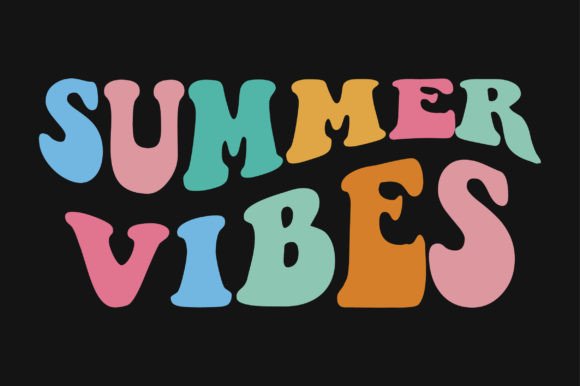
Review: Summer Vibes Retro Wavy SVG T-shirt Design
As a designer who has spent years translating digital vectors into tangible thread, I approach every new machine embroidery design with a mix of curiosity and caution. We have all been there: downloading a file that looks stunning on screen but turns into a tangled mess of bird’s nests on the hoop. Recently, I evaluated the Summer Vibes Retro Wavy SVG T-shirt design to see if it holds up under the needle. This is not just a graphic; it is a potential cornerstone for your next seasonal collection.
First Impressions: Mood and Visual Personality
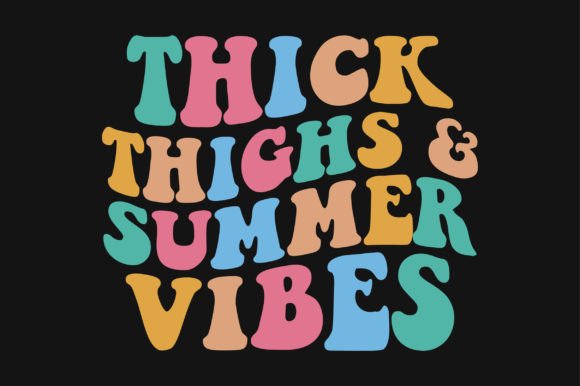
The first thing that strikes you about this piece is its undeniable energy. The retro wavy aesthetic taps directly into the current nostalgia trend, blending 70s-inspired curves with a modern, clean layout. For an embroidery project, this is promising. The shapes are bold and fluid, which generally translates well to stitching because they avoid the microscopic details that often break or look muddy when scaled down.
The mood is playful yet polished. It feels like sunshine and vintage vinyl records. When I opened the files, I noticed the vector construction immediately. The description notes it is made with 100 vector shapes, which suggests a level of organization that serious crafters appreciate. Clean paths mean cleaner digitizing potential. Whether you are using this for a custom apparel line or a one-off personalized gift, the visual personality screams "summer boutique," making it highly marketable for Etsy sellers and small shop owners looking to refresh their inventory.
Real-World Application: From Screen to Stitch
To truly test the viability of any embroidery file, you have to imagine it on actual fabric. I visualized this design on a few different canvases. My primary test case was a canvas tote bag. Tote bags are sturdy, providing a stable surface for the wider curves of the wavy pattern. The design’s open spacing allows the texture of the canvas to peek through, creating a nice balance between thread coverage and fabric breathability.
I also considered it for sweatshirt embroidery. Here, the retro vibe shines. A chest-left placement on a heather grey crewneck would look understated and cool. However, because sweatshirts have a plush texture, I would recommend adjusting the stitch density. If the original digitizing uses a heavy fill stitch, it might sink into the fleece. A satin stitch border with a lighter fill, or even a running stitch outline for a more minimalist look, could work better depending on the desired effect.
For baby embroidery, such as a onesie or a nursery blanket, the soft curves are safe and appealing. There are no sharp, aggressive angles that might feel out of place on infant items. Just ensure you scale it appropriately so it doesn’t overwhelm the small garment. This versatility makes it a strong candidate for various design assets in a crafter’s library.
Navigating Fabric and Hoop Constraints
While the design is versatile, it is not without its challenges. Experienced designers know that wavy, organic shapes can be tricky on stretchy fabrics. If you are applying this to a thin jersey t-shirt, stabilization is non-negotiable. I strongly advise using a cut-away stabilizer to prevent puckering, especially since the waves create directional tension across the fabric.
Hoop size is another critical factor. Before you begin, check the dimensions of the design against your machine’s maximum hoop size. While the vector nature means it is resizable, stretching a design too thin can distort the proportions of the waves, making them look elongated and awkward. Conversely, scaling it up too much without adjusting stitch length can lead to excessive thread consumption and long run times.
Dark fabrics present another consideration. If you plan to stitch this on navy or black, you must ensure high contrast in your thread colors. Pastels might get lost. I recommend testing a mockup in black and white first to verify that the shape remains distinct without relying on color differentiation. This is a crucial step for maintaining professionalism in your finished product.
Commercial Viability and Brand Consistency
For those running a craft business, consistency is key. The Summer Vibes Retro Wavy SVG T-shirt design fits seamlessly into a broader summer collection. It pairs well with other retro elements, floral motifs, or simple typography. Using this as part of a cohesive line helps build brand recognition. Customers who buy a tote bag with this design are likely to return for matching aprons or pillow covers.
From a sales perspective, this type of graphic appeals to a wide demographic. It works for holiday embroidery projects, such as Fourth of July or summer vacation souvenirs. It also serves well as a printable mockup element for digital product previews. If you are selling the digital file itself, ensuring that the included AI, EPS, SVG, and PNG files are clean and layered correctly will boost customer trust. Positive reviews often hinge on how easy the file is to edit and resize.
Practical Designer Notes for Best Results
Before you commit to a full production run, follow these practical steps to ensure quality:
- Test on Scrap Fabric: Always stitch a sample on the same material you intend to use for the final product. This reveals issues with tension and density.
- Check Thread Contrast: Select thread colors that pop against your fabric. High visibility increases the perceived value of the handmade product.
- Review Stitch Density: If the design feels stiff after stitching, reduce the density in your digitizing software. Flexibility is essential for wearable custom apparel.
- Inspect Small Details: Zoom in on the vector paths. Ensure there are no stray nodes or overlapping shapes that could cause the needle to jump or break.
- Confirm Licensing: Since this is a commercial-ready asset, double-check the license terms. Ensure you are compliant when selling finished items or using it in client projects.
Final Verdict
The Summer Vibes Retro Wavy SVG T-shirt design is a solid addition to any embroidery enthusiast’s toolkit. It balances aesthetic appeal with technical feasibility. While it requires thoughtful consideration regarding fabric choice and stabilization, its adaptability makes it a valuable resource for creating high-quality, sellable goods. Whether you are decorating a cap, designing a patch, or launching a new line of summer tees, this graphic offers the retro charm and structural integrity needed for professional results. Treat it with the respect it deserves in your workflow, and it will undoubtedly elevate your crafts and graphics portfolio.