Reviewing the Merry Christmas Sublimation SVG for Embroidery
As a designer who spends half my life digitizing vectors and the other half watching needles punch through fabric, I approach every new asset with a healthy dose of skepticism. We are constantly bombarded with digital files claiming to be "ready-to-use," but the gap between a screen preview and a stitched reality is often where projects fail. Recently, I took a close look at the Merry Christmas Sublimation Svg Design to determine if it holds up not just as a print file, but as a viable reference for embroidery projects. While the product description explicitly markets this as a high-resolution PNG for sublimation on items like mugs, t-shirts, and stickers, its utility for the embroidery community requires a different lens.
First Impressions: Visual Weight and Holiday Mood
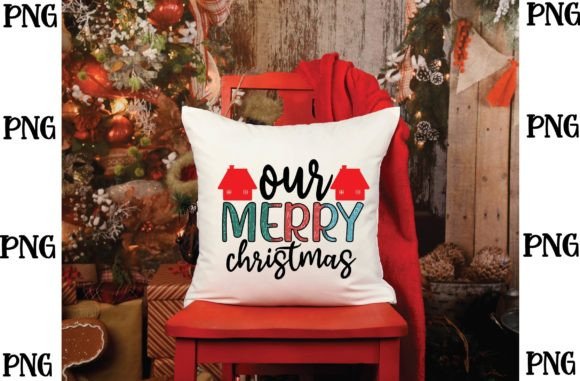
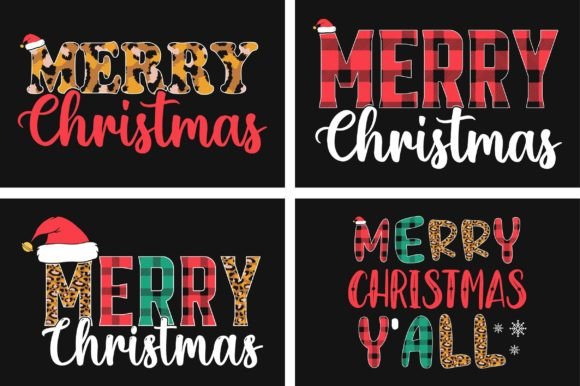
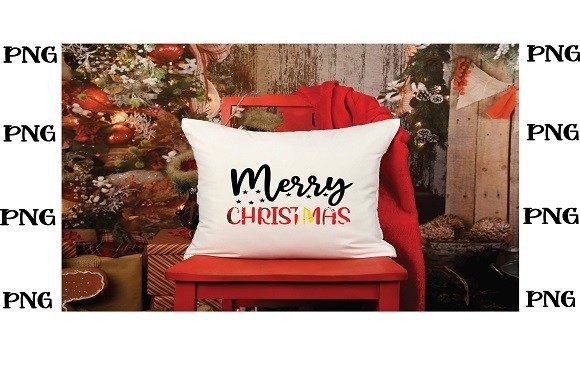
The first thing that strikes you about this design is its vibrant, festive energy. The 12″x12″ print size offers a generous canvas, allowing for intricate details that might get lost in smaller formats. The color palette is rich and saturated, typical of high-quality 300 dpi graphics intended for sublimation. For an embroidery designer, this visual density is a double-edged sword. On one hand, the bold shapes and clear thematic elements—likely featuring classic holiday motifs given the title—provide a strong foundation for translation into thread. On the other hand, the complexity suggests that this is not a quick-and-dirty run stitch project. It demands attention.
The mood is unmistakably celebratory. It feels warm, inviting, and perfectly suited for the holiday rush. When I visualize this on a finished product, I don’t see it as a subtle accent; I see it as a statement piece. This is crucial for small business owners and Etsy sellers who need their products to pop in thumbnail images. A design with this level of visual personality can significantly boost buyer engagement, provided it is executed correctly on fabric.
From Screen to Stitch: Practical Application Scenarios
Let’s talk about real-world application. If you are an apparel decorator or a craft business owner, you might be tempted to use this graphic directly. However, since this is a raster image (PNG) and not a native embroidery file, you cannot simply load it into your machine. You have two primary paths: using it as a reference for manual digitizing or employing it in hybrid techniques.
Consider a custom embroidered sweatshirt. The 12-inch scale is ideal for a large chest print or a full-back design. If you were to digitize this manually, you would need to break down the colorful sections into manageable color blocks. The high resolution allows you to zoom in and trace clean lines for satin stitches or define areas for fill stitches. For a tote bag design, the boldness of the graphic translates well to canvas or heavy cotton, where the texture of the fabric can support denser stitching without puckering.
Another interesting avenue is the creation of embroidered patches. You could print the design onto stabilizer-backed fabric using sublimation or direct-to-garment methods, then satin stitch around the edges to create a crisp, professional border. This hybrid approach leverages the photographic quality of the PNG while adding the tactile value of embroidery. It is a technique that adds perceived value to handmade products, making them feel more premium than standard printed merchandise.
Navigating Technical Challenges and Fabric Constraints
While the design is visually appealing, there are technical hurdles to consider. The product description mentions it is ready for t-shirts, mugs, and stickers, but embroidery introduces variables like fabric stretch and texture. If you are working with stretchy fabrics like jersey knits for baby embroidery or custom apparel, you must be cautious. Large, dense designs can cause distortion if not properly stabilized. I strongly advise using a cut-away stabilizer for garments that will be washed frequently, as the weight of the thread needs support to maintain shape over time.
Dark fabrics present another challenge. Since this is a colorful design, ensuring visibility on black or navy fleece requires careful planning. You might need to add an underlay or use a lighter backing material to prevent the fabric color from dulling the vibrancy of the thread colors. Additionally, tiny details in the original PNG may not translate well to thread. If there are fine lines or small text elements, they may become cluttered when stitched. In such cases, simplifying the design during the digitizing phase is essential to maintain stitching clarity.
For curved surfaces like caps or hats, the 12-inch dimension is likely too large for a standard front panel. You would need to scale the design down significantly, which could compromise the integrity of the details. Always test the design on scrap fabric first. Check how the stitch density interacts with the material. If the design feels stiff or board-like after stitching, you may need to reduce the density or switch to a lighter thread weight.
Enhancing Product Value and Brand Consistency
For Etsy sellers and boutique owners, the choice of design assets directly impacts brand consistency. Using a high-quality graphic like the Merry Christmas Sublimation Svg Design as a base for your embroidery work can elevate your offerings. It signals to customers that you pay attention to detail and quality. However, professionalism also means transparency. If you are selling finished items, ensure you have the appropriate commercial license. The product description states it is ready for printed items, but rights for embroidered goods can sometimes differ. Always confirm licensing terms before selling finished products or digital embroidery files derived from this graphic.
Moreover, the versatility of this design allows for cross-promotion. You could offer both sublimated and embroidered versions of the same motif, catering to different customer preferences. This strategy can increase average order value and broaden your market reach. For example, a sublimated mug paired with an embroidered kitchen towel makes for a cohesive holiday gift set.
Designer Notes for Best Results
- Test on Scrap Fabric: Never stitch a new design on your final garment without a test run. Check for registration issues and thread breaks.
- Check Thread Color Contrast: Match your thread colors closely to the PNG reference to maintain the design's intended vibrancy.
- Review Stitch Density: If digitizing manually, avoid overly dense fill stitches in large areas to prevent fabric puckering.
- Confirm Hoop Size: Ensure your embroidery hoop can accommodate the scaled size of the design, especially for larger items like pillow covers or blankets.
- Inspect Small Details: Simplify complex areas that may not stitch out cleanly, particularly if scaling down for smaller items like baby clothes.
- Use Proper Stabilizer: Choose the right stabilizer for your fabric type—cut-away for knits, tear-away for wovens.
- Verify Licensing: Double-check the license terms for commercial use in embroidery, as sublimation rights do not always cover stitched goods.
In conclusion, the Merry Christmas Sublimation Svg Design is a robust asset for creative entrepreneurs willing to put in the extra effort to adapt it for embroidery. It offers a strong visual foundation for holiday-themed projects, from custom apparel to home decor. By understanding its limitations and leveraging its strengths, you can create stunning, high-value handmade products that stand out in a crowded market. Remember, the key to success lies not just in the design itself, but in how thoughtfully you translate it into thread.