Reviewing the Welcome Porch Sign SVG for Embroidery
As a designer who spends most of my day staring at screens and translating digital vectors into tangible thread, I approach every new embroidery file with a specific set of questions. It is not just about whether the image looks cute on a monitor; it is about how those lines will behave when a needle punches through fabric at high speed. Recently, I took a close look at the Welcome Porch Sign SVG PNG to see if it holds up under the scrutiny of real-world production. This isn't a generic overview; this is a practical assessment for those of us running craft businesses, selling on Etsy, or creating handmade products that need to last.
First Impressions and Visual Personality
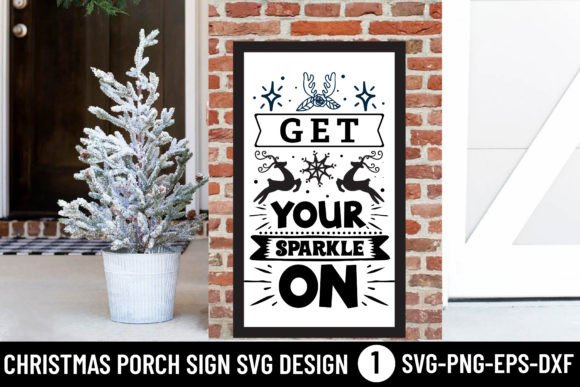
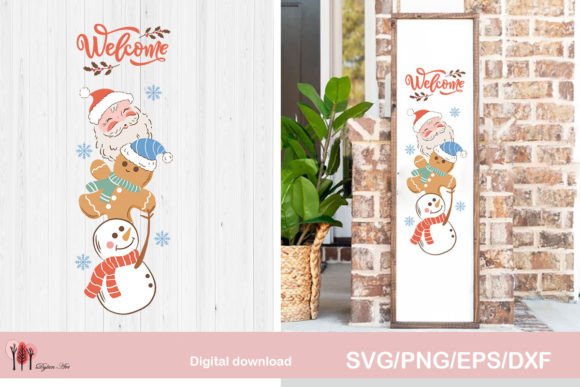
When I first opened the files included in this pack—specifically the SVG, PNG, DXF, and EPS formats—the immediate feeling was one of rustic warmth. The design captures that specific "farmhouse chic" mood that has remained incredibly popular in home decor and custom apparel. The layout suggests a structured yet inviting aesthetic, perfect for setting a tone of hospitality. For an embroidery project, the visual personality here is key. It feels substantial enough to be a focal point but clean enough not to overwhelm a garment.
The theme naturally leans toward home goods, but do not let that limit your creativity. While the title suggests a porch sign, the graphic elements translate beautifully to textile applications. The shapes appear bold, which is generally a good sign for stitching, as it implies that the details are large enough to be covered effectively with satin stitch or fill stitch without getting lost in the fabric weave.
Real-World Application: The Tote Bag Test
To truly evaluate this design, I imagined a specific scenario: a local boutique owner needs a run of twenty heavy-canvas tote bag designs for a spring market. They want something that says "home" without being overly literal. This is where the Welcome Porch Sign SVG PNG shines. If I were digitizing this or using a pre-digitized version derived from these graphics, I would place it centrally on a natural or cream-colored canvas tote.
In this context, the design acts as a brand stamp. It elevates a simple bag into a personalized gift or a statement piece. Customers reacting to the finished product would likely associate the item with quality and thoughtfulness. The clarity of the lines in the source file suggests that, with proper digitizing, the resulting finished product would have crisp edges. Whether you are making a single item for a friend or a batch for a small shop product line, the versatility here is evident. It works equally well as a chest logo on a denim jacket or a large back print on a sweatshirt embroidery project.
Navigating Fabric Textures and Hoop Constraints
However, no design is without its challenges, and a professional review must address where caution is needed. Because this graphic likely contains text and potentially finer decorative elements, you must be mindful of your hoop size. If you are attempting to stitch this onto a curved surface like a cap or a visor, ensure the design fits within a standard cap frame without crowding the seams. Compressing the design too much can lead to stitching errors where thread colors bleed into one another.
Fabric texture is another critical variable. On a smooth, tight-weave cotton or poly-blend, this design will likely look sharp. However, if you are working with a textured linen, a fuzzy fleece, or a stretchy knit for baby embroidery, you need to adjust your approach. The "porch sign" aesthetic often relies on straight lines and clear typography. On a high-pile fabric, those lines can get swallowed up. In such cases, increasing the stitch density slightly or using a heavier cut-away stabilizer becomes non-negotiable to maintain the integrity of the shape.
Dark fabrics present another consideration. If you are stitching this onto a navy blue hoodie or a black apron, you cannot rely on the white spaces in the original PNG or SVG to show through. You will need to manually add underlay stitches or background fills in your embroidery software to ensure the design pops. This is a common oversight for beginners, but for an Etsy seller, getting this right is the difference between a five-star review and a return.
Technical Considerations for Commercial Use
For those looking to use these design assets commercially, the file formats provided are a strong starting point. Having the SVG and EPS allows for infinite scaling before digitizing, which is crucial if you need to adapt the design for different machine embroidery design requirements. The inclusion of DXF is particularly helpful for users of older cutting machines or specific embroidery software that prefers vector paths over raster images.
Before listing items featuring this design, always confirm the licensing terms. While the description notes usage for t-shirts, mugs, and stickers, commercial embroidery often has specific clauses regarding the number of physical items you can sell. Never assume; always verify to protect your craft business. Additionally, if you are selling digital previews or printable mockups of your work, the high-resolution PNG included in the package is invaluable for creating professional-looking listings without needing to stitch a sample immediately.
Enhancing Value and Customer Trust
Ultimately, the choice of a graphic impacts the perceived value of your work. A sloppy, pixelated, or poorly stitched design erodes customer trust. Conversely, a well-executed version of the Welcome Porch Sign SVG PNG signals professionalism. It tells the buyer that you care about the details. When a customer receives a holiday embroidery gift or a wedding present featuring this design, the clean lines and appropriate thread choices reflect directly on your brand consistency.
Visual appeal in embroidery is subjective, but clarity is universal. This design offers a balanced composition that avoids the trap of being too busy. It allows the texture of the thread to enhance the image rather than fight against it. Whether used for an embroidered patch on a backpack or a subtle accent on a kitchen towel, the design supports the narrative of handmade quality.
Final Designer Notes and Best Practices
If you decide to move forward with this file for your next project, here is my practical advice. First, always test the design on scrap fabric that matches your final material. Check the contrast of your thread colors against the fabric background; sometimes a color that looks vibrant on screen appears muddy once stitched. Second, inspect the small details. If there are tiny serifs or intricate corners in the "sign" portion of the graphic, ensure your digitizing software handles them with a running stitch or fine satin column to prevent thread breaks.
Remember that what works for a digital embroidery file on a screen might need tweaking for the machine. Review the stitch path to minimize jumps and trims, which speeds up production time—a vital factor for commercial orders. Finally, consider the end use. Will this item be washed frequently? If so, reinforce the edges and choose high-quality rayon or polyester threads that resist fading.
The Welcome Porch Sign SVG PNG is a versatile tool in the Crafts and Graphics arsenal. It bridges the gap between digital convenience and tactile artistry. By approaching it with a critical eye and a solid technical plan, you can transform a simple download into a standout product that resonates with customers and stands the test of time.