Reviewing Labor Day Typography SVG for Embroidery
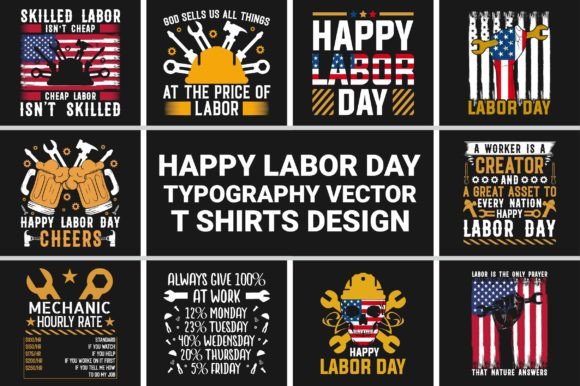
As a designer who spends half my life staring at stitch simulations and the other half untangling thread jams, I have learned to look past the glossy preview images. When I first pulled up the Labor Day Typography SVG Vector T-shirt design, my immediate reaction was one of cautious curiosity. The concept blends two distinct cultural symbols: the relaxed, celebratory vibe of Labor Day and the edgy, rebellious aesthetic of skull and beer typography. It is a bold choice for a holiday often associated with parades and family barbecues, but in the world of modern Crafts, boldness often sells.
I decided to evaluate this file not just as a digital asset, but as a potential centerpiece for a real-world embroidery project. My goal was to determine if this design holds up under the needle, how it translates from vector paths to actual thread, and whether it offers genuine value to Etsy sellers and small shop product creators looking to expand their seasonal inventory.
First Impressions and Visual Personality
The design features a typographic layout integrated with skull and beer motifs. From a graphic design perspective, the composition relies heavily on clean lines and strong contrast. The description notes that it is made with 100% vector shapes, which is a critical detail for us. In the realm of Graphics, true vectors mean scalability without loss of quality. For an embroidery digitizer or a designer using auto-digitizing software, this is a significant advantage. It means the curves of the skull and the edges of the lettering should remain crisp, regardless of whether you are scaling it down for a pocket logo or up for a back panel.
The mood is distinctly casual and masculine, leaning into a "blue-collar cool" aesthetic. This is not a delicate, floral baby embroidery pattern. It is designed for statement pieces. When I visualized this stitched out, I imagined it on heavy cotton canvases or structured caps rather than fine silks. The visual personality suggests durability and attitude, which aligns well with the spirit of Labor Day—a celebration of work and rest.
Real-World Application: The Sweatshirt Test
To truly test the viability of the Labor Day Typography SVG Vector T-shirt design, I mentally walked through a specific production scenario. Imagine a customer orders a custom sweatshirt embroidery piece for a group of friends heading to a lakeside cabin over the long weekend. They want something unified but stylish.
In this context, the design performs well because of its thematic clarity. The skull and beer elements are instantly recognizable, reducing the cognitive load for the viewer. However, the success of this handmade product hinges on execution. Because the design includes typography, legibility is paramount. If the letters are too thin, they may get lost in the pile of a fleece sweatshirt. If they are too dense, the fabric might pucker. This is where the vector nature of the file helps; it allows for precise adjustments to line weight before digitizing.
I also considered its use on a tote bag design. A canvas tote is a popular item for craft fairs. The sturdy fabric of a tote can handle higher stitch density better than a thin t-shirt. Here, the design could serve as a central focal point. The contrast between the dark threads typically used for skulls and the natural beige of canvas would create a striking finished product that appeals to buyers looking for unique, non-traditional holiday gear.
Technical Considerations for Stitching
While the aesthetic is strong, the technical translation from screen to fabric requires careful planning. The product description mentions AI, EPS, SVG, and PNG files. For embroidery, the SVG and EPS are your starting points, but they are not machine embroidery design files themselves. You will need to digitize them or convert them using specialized software.
One major concern with typography-based designs is the handling of small details. Skulls often have intricate eye sockets and teeth. If these details are too small, they may not stitch out cleanly, especially on textured fabrics. I recommend testing the design on scrap fabric first. Pay close attention to the stabilizer choice. For a design with both solid fills (likely in the skull or beer mug) and text, a cut-away stabilizer is usually safer than tear-away, as it provides ongoing support and prevents distortion after washing.
Thread color selection is another critical variable. The design allows for easy color changes, which is a plus. However, do not rely solely on the default colors in the preview. Test high-contrast combinations. A white skull on a black shirt is classic, but consider muted tones like olive green or slate blue for a more subdued, boutique look. Always check thread color contrast against your chosen fabric to ensure the design pops without looking chaotic.
Navigating Fabric and Hoop Constraints
Not every garment is suitable for this specific design. Due to the likely complexity of the skull imagery and the width of the typography, hoop size is a limiting factor. If you are working with a standard 4x4 inch hoop, you may need to simplify the design or split it, which is rarely ideal for typography. A 5x7 or 6x10 hoop would be much more appropriate to maintain the integrity of the layout.
Be cautious when applying this to stretchy fabrics like jersey knits. Without proper hooping technique and stabilizer, the tension from the fill stitch areas can cause the fabric to gather around the design. For custom apparel like t-shirts, I strongly advise using a hoop frame or magnetic hoops to keep the fabric taut. Additionally, avoid placing this design on curved surfaces like the front of a baseball cap unless you have experience with cap digitizing. The distortion on curved panels can warp the typography, making it unreadable.
Commercial Viability and Brand Consistency
For commercial embroidery professionals and craft business owners, this design offers a niche appeal. It is not a generic "Happy Labor Day" text; it has personality. This makes it valuable for brands that target a younger, edgier demographic. It fits well within a product line that includes biker gear, brewery merchandise, or outdoor adventure apparel.
However, professionalism is key. Before listing this as a personalized gift or selling it on Etsy, ensure you understand the licensing terms. The description provides the file formats but does not explicitly state commercial usage rights. Always confirm licensing before selling finished items. Using a design without proper clearance can lead to legal issues that far outweigh the profit from a single sale.
From a marketing standpoint, this design works well for printable mockup previews. Because it is a vector, you can easily place it on various product images to show customers how it looks on different colors. This enhances buyer engagement and trust, as customers can visualize the embroidered patch or shirt before purchasing.
Final Verdict for Designers
The Labor Day Typography SVG Vector T-shirt design is a promising asset for designers who understand the technical demands of embroidery. It is not a plug-and-play solution for beginners who expect perfect results without adjustment. However, for those willing to invest time in proper digitizing, stabilizer selection, and fabric testing, it offers a unique angle on a traditional holiday.
It excels in contexts that allow for bold statements: heavy hoodies, canvas totes, and structured caps. It struggles on delicate fabrics or small hoops. By treating this file as a raw material rather than a final product, you can transform it into a high-value design asset that stands out in a crowded market. Remember, the difference between a good design and a great embroidery file is often found in the details of execution, not just the initial graphic.